
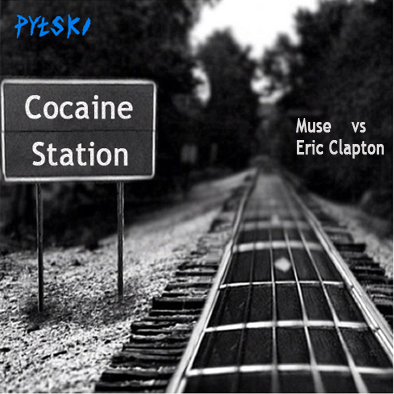
Muse vs Eric Clapton
A Pytski mashup from 2013. It was a back then brand new single “Panic Station” by Muse that got intruded by Eric Clapton, creating a “Cocaine Station”.
“Panic Station” and “Cocaine” are both songs driven by an insistent, repeating groove that refuses to let go. Muse built “Panic Station” on a propulsive funk bassline that owes a clear debt to Queen’s “Another One Bites the Dust.” Clapton’s “Cocaine” runs on a blues rock riff so recognisable it has become part of the furniture. Both tracks are momentum machines — once they start, stopping feels wrong. Which makes the intrusion feel less like a collision and more like an arrival.
Ingredients
This mashup / mix is a blend of these tunes:
Muse
Panic Station
Year: 2013
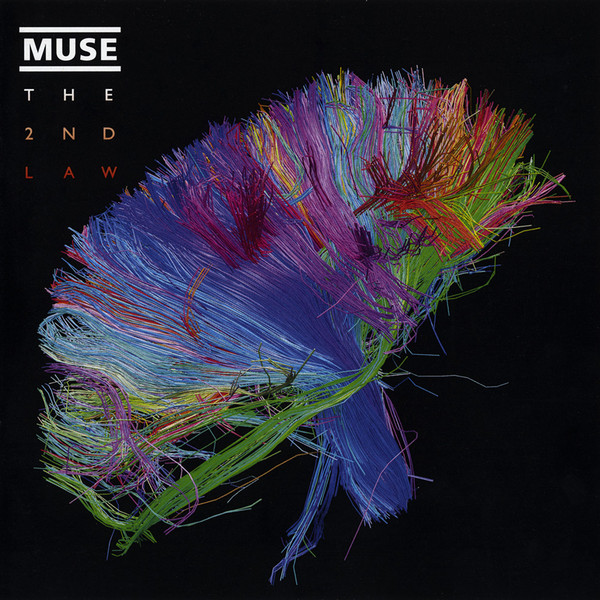
Album: The 2nd Law
Genre: Alternative rock
About Panic Station
Released as a single in February 2013 from Muse’s sixth album The 2nd Law (2012), “Panic Station” was an unexpected turn for a band known for operatic rock and stadium-sized ambition. The track is driven by Chris Wolstenholme’s bass — a deep, rhythmic pulse that owes more to Motown and funk than to the art-rock Muse had built their reputation on. Matt Bellamy and the band from Teignmouth, Devon were clearly having fun stepping outside their own mythology, and it shows. The result is one of the most purely enjoyable tracks in their catalogue.
Eric Clapton
Cocaine
Year: 1977
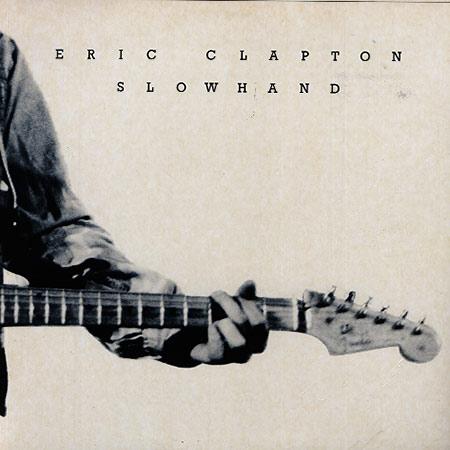
Album: Slowhand
Genre: Blues rock
About Cocaine
Written by J.J. Cale and first recorded on his 1976 album Troubadour, “Cocaine” became one of Eric Clapton’s signature songs when he covered it on Slowhand in 1977. The riff — deceptively simple, endlessly effective — made it instantly his own. Clapton, nicknamed “Slowhand” for his guitar technique, built Slowhand into one of his most acclaimed records. “Cocaine” has one of the most immediately recognisable openings in blues rock: three notes that announce exactly what kind of song this is going to be. Despite the title, Clapton later maintained the song was intended as a warning rather than a celebration — a subtlety the riff never quite communicates.
Leave a Reply